Long-Term Benefits of Abacus Education for Children 🧮🌱

Welcome! I’m Ashwani Sharma, Director at Mission Abacus Private Limited. Over the years, I’ve had the privilege of working with children, parents, and teachers worldwide, observing how structured learning shapes young minds. In this blog, we’ll explore the long-term benefits of abacus education for children, highlighting how this unique tool goes beyond speed and calculation to nurture confidence, concentration, logical reasoning, and lifelong learning habits.
If you’re a parent curious about how early abacus training can impact your child,
a teacher seeking practical guidance for classroom implementation,
or a beginner wanting to understand its enduring value, you’re in the right place.
From India to the UK, US, Canada, Australia, New Zealand, Czechia, UAE, Qatar, and Norway, children face challenges like online learning distractions, screen fatigue, and building confidence in maths. Abacus education can address these in meaningful ways—subtly and effectively.
📘 Table of Contents
- What Is Abacus Education?
- Cognitive Development Through Abacus
- Building Strong Memory and Concentration
- Enhancing Logical Thinking Skills
- Strengthening Numerical Fluency and Mental Math
- Confidence and Self-Esteem Benefits
- Abacus and Academic Performance
- Benefits for Parents and Teachers
- Practical Tips for Long-Term Learning
- Abacus, Exams, and Real-World Skills
- Online Learning and Global Adaptation 🌍
- When Abacus May Not Be Enough ⚖️
- Experience-Based Classroom Observations
- The Role of the All-in-One Abacus Learning System
- A Reflective Question for You ✍️
- Free Abacus Teacher Training – A Gentle Note
- Frequently Asked Questions (FAQs)
- A Personal Closing Note
What Is Abacus Education? 🧮
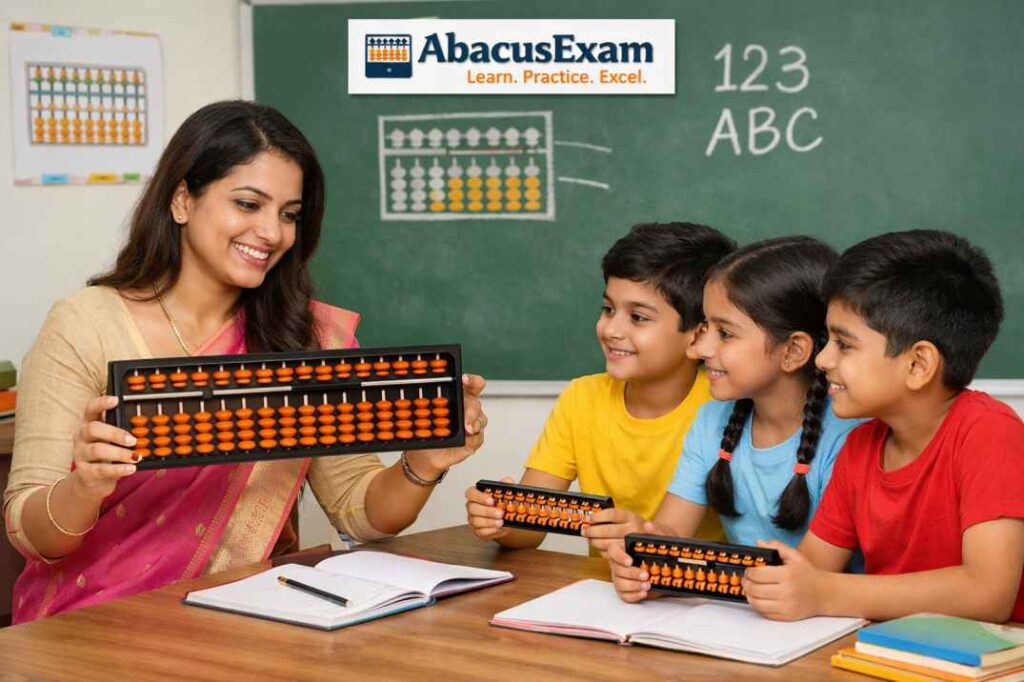
Abacus education is much more than teaching children to calculate quickly. It is a structured mental training tool that encourages visualization, focus, and step-by-step reasoning.
In my experience working with students and teachers across different countries, I’ve seen children who initially struggled with numbers gain confidence not only in maths but in decision-making and problem-solving.
Abacus education gradually transitions children from hands-on bead manipulation to mental calculation, creating a solid foundation for lifelong cognitive skills.
Cognitive Development Through Abacus 💡
Children’s brains are highly adaptable, and activities like abacus practice stimulate multiple cognitive areas:
- Working memory – remembering numbers and intermediate steps
- Visual-spatial skills – imagining bead positions mentally
- Sequential reasoning – following stepwise calculations
Over the years, I’ve noticed that students who practice abacus regularly demonstrate faster problem recognition and better task organization in daily life.
Building Strong Memory and Concentration 📘
One of the most immediate benefits of abacus education is improvement in memory and concentration.
- Students must focus on the bead positions and follow sequences.
- Short, daily sessions help children sustain attention for longer periods.
Parents often observe that their children become more attentive during schoolwork or while completing other activities.
This foundational concentration supports learning in multiple subjects and even helps counter distractions in online classrooms.
Enhancing Logical Thinking Skills 🧠

Logical thinking develops naturally through abacus practice. Children learn to:
- Break problems into smaller steps
- Anticipate outcomes before moving beads
- Correct mistakes through reasoning rather than guessing
Based on real classroom learning, students trained in abacus show more structured thought processes, even outside mathematics. This logical discipline is especially valuable in international learning contexts, where problem-solving is a key skill.
Strengthening Numerical Fluency and Mental Math 🧮
Abacus education encourages children to visualize numbers and perform mental calculations.
- Speed comes from understanding patterns, not rote memorization.
- Children gain a flexible approach to numbers, enhancing their numerical fluency.
Platforms like https://abacuswala.com offer audio-based practice and 100-level challenges, reinforcing mental calculation skills.
This skill set benefits students globally, whether preparing for exams in Canada, tackling online math assignments in New Zealand, or participating in competitions in the UAE.
Confidence and Self-Esteem Benefits 🚀
Beyond cognition, abacus education positively affects children’s self-confidence.
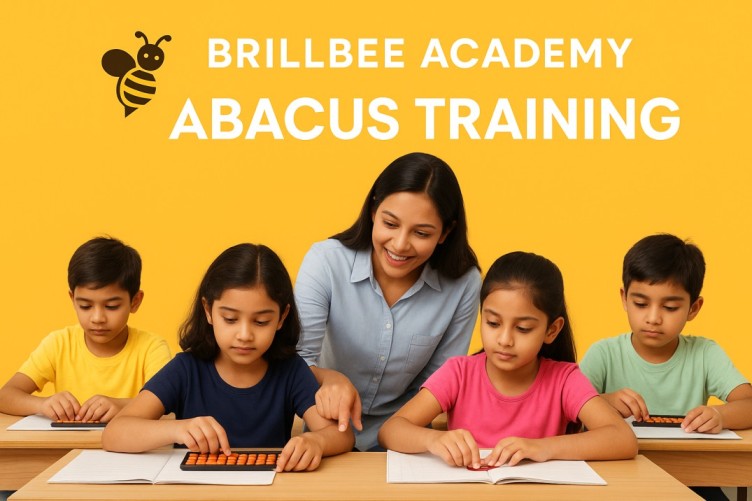
- Mastering new levels or solving problems independently builds pride.
- Participation in competitions via https://abacusshiksha.com encourages healthy goal setting.
I’ve observed that children who practice regularly feel more assured in academic tasks, willing to take on challenges rather than avoiding them.
Abacus and Academic Performance 📘
Students with abacus training often demonstrate improvements in school performance, particularly in mathematics.
- Faster and more accurate mental calculations
- Reduced fear of complex problems
- Enhanced ability to handle multiple-step questions
If you’re curious about the connection, this article on how abacus helps in school maths explains it in depth.
Benefits for Parents and Teachers 👨👩👧
For Parents:
- Observe children gaining concentration and self-discipline
- Support structured practice habits at home
- Feel assured about long-term cognitive benefits
For Teachers:
- Easier classroom management with focused students
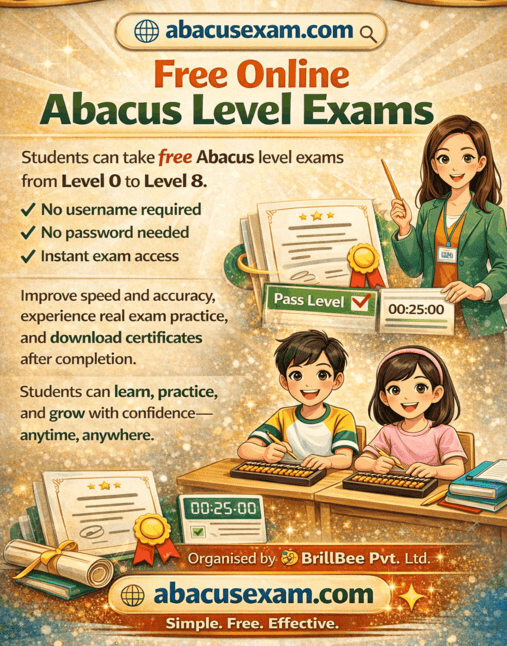
- Clear benchmarks through abacus level exams at https://abacusexam.com
- Structured learning complements other curricula
Practical Tips for Long-Term Learning ✍️
- Encourage short, daily practice sessions rather than occasional long sessions.
- Reinforce learning through games and competitions.
- Track progress using All-in-One Abacus Learning System resources.
- Celebrate milestones, emphasizing effort over speed.
Consistent, mindful practice builds sustainable benefits.
Abacus, Exams, and Real-World Skills 📝
Level exams and competitions provide structured goals, not just marks.
- Students learn to manage time and pace calculations.
- Logical sequencing and focus are tested under safe conditions.
“Students who practice regularly, appear for level exams, and participate in competitions show faster improvement in speed, accuracy, and confidence.”
These real-world skills extend beyond academics into problem-solving in daily life.
Online Learning and Global Adaptation 🌍
In international settings, children face challenges such as screen fatigue and dispersed learning environments.
- Abacus encourages hands-on practice, balancing online instruction.
- Audio and mental exercises on https://abacuswala.com reduce dependency on screens.
- Competitions and level exams offer global exposure through digital platforms.
This combination nurtures resilience, focus, and adaptability—essential skills worldwide.
When Abacus May Not Be Enough ⚖️
It is important to remain realistic:
- Abacus does not replace conceptual understanding in maths.
- Benefits depend on consistency and thoughtful guidance.
- Overemphasis on speed without comprehension can reduce effectiveness.
Parents and educators should see abacus as a foundation for thinking, not a substitute for broader learning.
Experience-Based Classroom Observations 📘
Over years of teaching, I’ve noticed:
- Children trained in abacus remain calm when solving multi-step problems.
- Logical thinking transfers to other subjects and real-life tasks.
- Enjoyment and curiosity in early years lead to sustainable cognitive growth.
These observations confirm that long-term abacus education is more than mental math—it’s a mindset for structured, confident learning.
The Role of the All-in-One Abacus Learning System 🧩
An integrated approach often works best:
- Practice and competitions: https://abacusshiksha.com
- Level exams: https://abacusexam.com
- Audio and mental challenges: https://abacuswala.com
Together, they create a holistic framework for long-term skill building, blending practice, assessment, and mental exercise.
A Reflective Question for You ✍️
Are we preparing children to solve problems quickly, or to think clearly and independently?
The long-term benefits of abacus emerge most strongly when clarity, understanding, and persistence take precedence over speed.
Free Abacus Teacher Training – A Gentle Note 🎓
For educators interested in deepening their understanding, free abacus teacher training offers structured guidance.
At Mission Abacus Private Limited, we’ve seen teachers gain clarity on fostering cognitive, logical, and emotional growth in children—without relying on shortcuts or gimmicks.
Frequently Asked Questions (FAQs)
Can abacus improve overall cognitive skills in children?
Yes. Beyond calculation, abacus enhances memory, attention, logical reasoning, and mental organization.
Is long-term abacus practice necessary?
Sustained practice over months or years ensures that cognitive and logical benefits are fully realized.
How long does it take to notice improvements?
Many parents notice changes in focus and confidence within 3–6 months of consistent practice.
Can children adapt to online abacus learning?
Absolutely. Platforms offering structured exercises and audio challenges help maintain engagement globally.
Is abacus beneficial for academic performance?
Yes. It supports faster mental calculation, better concentration, and reduced anxiety in problem-solving.
Can teachers implement abacus concepts in the classroom?
Yes. Abacus principles of structured reasoning and sequential thinking enhance classroom learning across subjects.
A Personal Closing Note 🌱
Over years of teaching and mentoring, I’ve realized that the long-term benefits of abacus education for children extend far beyond mental math.
They develop concentration, logical thinking, confidence, and a mindset for structured problem-solving—skills that last a lifetime.
May your child’s learning journey be thoughtful, patient, and rewarding. 🧮✨
— Ashwani Sharma