🧩 Can Abacus Help Children with Dyslexia or Other Learning Disabilities?
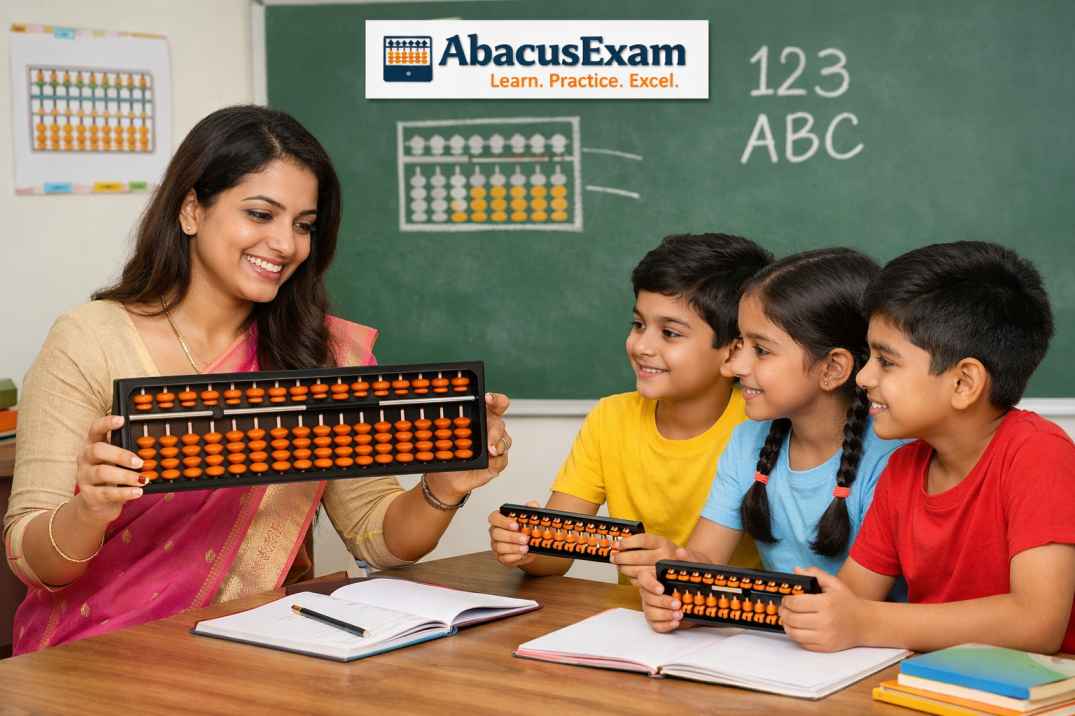
Multisensory learning through touch, sight, and sound
🤔 If your child has dyslexia, dyscalculia, or another learning disability, you’ve probably tried many interventions. Does abacus have anything to offer?
Most parents assume abacus is only for “math whizzes.” But the tactile, visual, and auditory nature of bead manipulation makes it uniquely suited for children who struggle with traditional learning methods.
In this guide, I’ll share what research says, what parents have told me, and how to approach this method safely.
🔢 Abacus and Dyscalculia – A Natural Fit
Dyscalculia makes it hard to understand numbers, remember math facts, and grasp quantity. Traditional teaching often fails because it relies on abstract symbols.
The bead frame provides a concrete, physical representation of numbers. Each bead is a unit. Moving them makes “addition” visible and tangible. For a child with dyscalculia, this can be a breakthrough.

A mother once told me: “My son couldn’t understand that 5+3 is the same as 3+5. On the abacus, he saw it. He moved beads. He got it.”
📖 How Bead Movement Helps with Reading and Sequencing
Dyslexia often involves difficulties with sequencing, working memory, and left-right orientation. The abacus requires precise left-to-right bead movement (using thumb and index finger in a specific order).
This repeated sequencing trains the brain in order and direction. Some parents have reported improved reading fluency after several months of abacus practice – though this is anecdotal.
One occupational therapist told me: “I recommend abacus for kids with dyslexia who also have math difficulties. The structured, repetitive nature is calming and builds neural pathways.”
🎯 Focus Benefits for Children with ADHD
ADHD makes sustained attention difficult. But the abacus provides immediate feedback (beads move, answer appears) and a physical anchor. Many children with ADHD hyperfocus on the beads.
Short sessions (10-12 minutes) work best. The key is consistency, not duration. I’ve seen children who couldn’t sit still for 5 minutes become engaged for the entire practice session.
📚 What Research and Therapists Say
While large-scale studies on abacus for learning disabilities are limited, individual case studies and occupational therapy literature suggest benefits. The multisensory nature aligns with evidence-based practices for dyslexia and dyscalculia.
“I’m a special educator. I’ve used abacus with several dyscalculic students. It doesn’t fix everything, but it gives them a concrete tool. Their confidence improves, and they start attempting math instead of avoiding it.”
– Special educator, MumbaiImportant note: Abacus is not a substitute for professional intervention. Always work with your child’s therapist and use abacus as a supplement, not a replacement.
👨🏫 5 Tips for Teaching a Child with Learning Disabilities
1. Start with 10-minute sessions – shorter than usual. Reduce fatigue and frustration.
2. Use a large, colorful abacus – bigger beads are easier to grip and see.
3. Focus on one operation at a time – master addition before subtraction.
4. Don’t introduce mental math too early – keep the physical frame for 6-8 months.
5. Celebrate every small win – “You moved all beads correctly!” is huge progress.
💪 Wondering if this could work for your child? A free demo can help you see the potential.
🎯 Book a free consultation →❓ Frequently Asked Questions
Is abacus proven to help with dyscalculia?
There is promising anecdotal evidence and some small studies, but no large-scale RCTs. Many occupational therapists recommend it as a tool.
Can it replace therapy?
No. Always consult a specialist. Abacus is a supplement, not a cure.
What if my child gets frustrated?
Shorten sessions, use lots of praise, and take breaks. If frustration persists, pause and consult your therapist.
What age is best for children with LD?
5-10 years, but older children can also benefit. Start with very basic bead movement, not sums.
Will my child ever reach mental math stage?
Some do, some don’t. Even physical abacus skills are valuable. Don’t force mental math if it causes stress.
💛 Every child learns differently. The right tool can unlock their potential.
I’ve worked with hundreds of children with learning challenges. Let me show you how a simple bead frame might make a difference for yours.
📲 Get personalized advice →