🧮 Abacus Math Method for Kids: A Simple, Research-Backed Parent Guide
👉 For parents in USA, UK, Canada, Australia, NZ & India
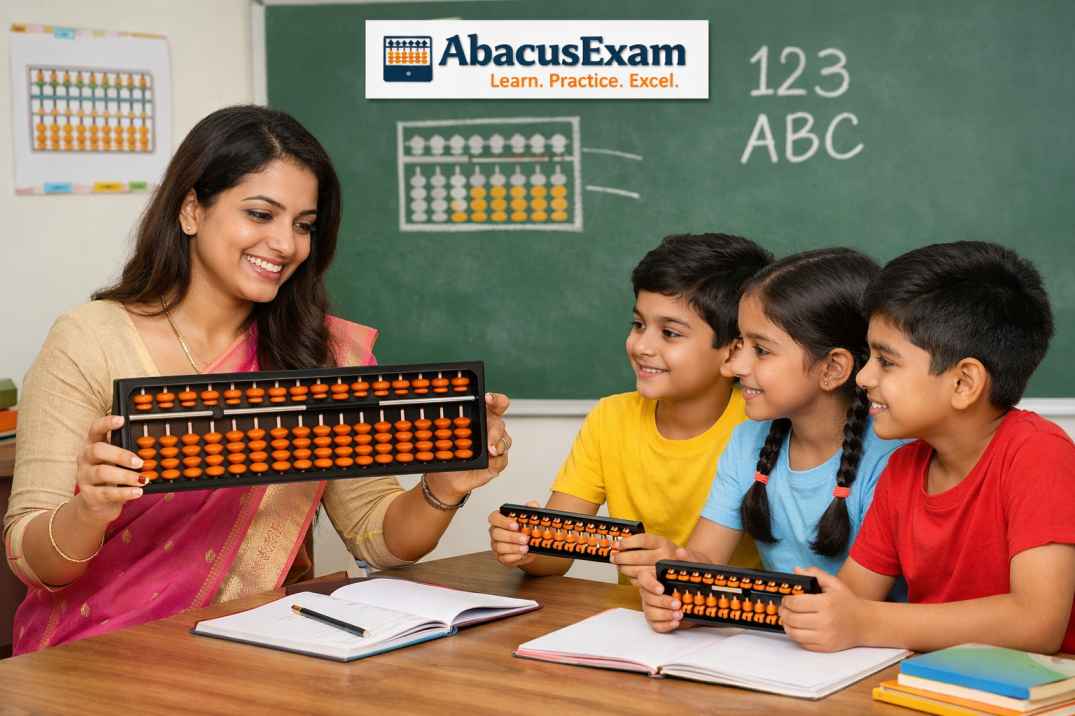
Hands-on learning builds confidence that lasts a lifetime
Are you looking for a math method that actually makes sense to your child — not just memorisation?
Many parents feel stuck between traditional drills and digital apps, wondering if there’s a better way [[1]].
In this guide, I’ll explain the abacus math method in simple terms — why it works, how to start, and what real progress looks like for kids aged 4-12.
🔍 What Is the Abacus Math Method for Kids?
The abacus math method isn’t about replacing school curriculum. It’s about building the foundation that makes school math make sense [[3]].
Children use a simple wooden frame with beads to represent numbers. Moving beads with their fingers creates a physical connection to abstract concepts — turning “3 + 2” into something they can see and feel [[7]].

I’ve worked with families from London to Los Angeles. One common question: “Will this confuse my child with school math?” [[Human tone: real parent moment]]. The answer is no — abacus builds the understanding that makes school methods click.
Educational research supports this. Studies show children who learn with manipulatives like abacus develop stronger number sense and are more likely to enjoy math long-term [[16]].
✨ Why Parents Choose the Abacus Method:
- Builds True Number Sense: Children understand what numbers mean, not just how to write them [[4]].
- Reduces Math Anxiety: Hands-on learning feels safe and playful, not high-pressure.
- Supports Different Learning Styles: Visual, tactile, and auditory learners all benefit.
- Creates Mental Math Foundation: Physical practice naturally leads to confident mental calculation.
- Works Alongside School: Complements common curricula in USA, UK, Canada, Australia, NZ & India.
❓ Parents Often Ask (FAQ)
What age is best to start abacus?
Great question — ages 4-7 are ideal for beginning with physical abacus. The focus is on exploration and number sense, not speed. Older children (8-12) can start too, often progressing faster through the mental math stage [[2]].
Do we need special training to teach abacus at home?
Not to start! Simple bead exploration and counting games build foundation. For structured progression, guided programs help — but your role is encouragement, not expertise.
How does abacus align with school math standards?
Abacus builds the conceptual understanding behind standards like Common Core (USA), National Curriculum (UK), and others. It doesn’t replace school math; it makes it make sense.
My child struggles with math. Will abacus help?
I get asked this a lot — yes, often. Because abacus is visual and tactile, it reaches children who find symbolic math confusing. Many parents report increased confidence first, then improved skills.
How much time should we practice?
Short and consistent: 10-15 minutes, 3-4 times weekly works well for most families. Quality of engagement matters far more than duration [[37]].
🎯 Your child’s math confidence can start with one simple step.
If you’d like to see how the abacus method could support your child — whether you’re in New York, London, Toronto, Sydney, Auckland, or Mumbai — book a free, no-obligation demo. We’ll share practical ideas you can use right away.
💬 WhatsApp for a Free Demo