🧸 Abacus Activities for Kindergarten Children: Playful, Purposeful Learning
👉 For parents and educators worldwide
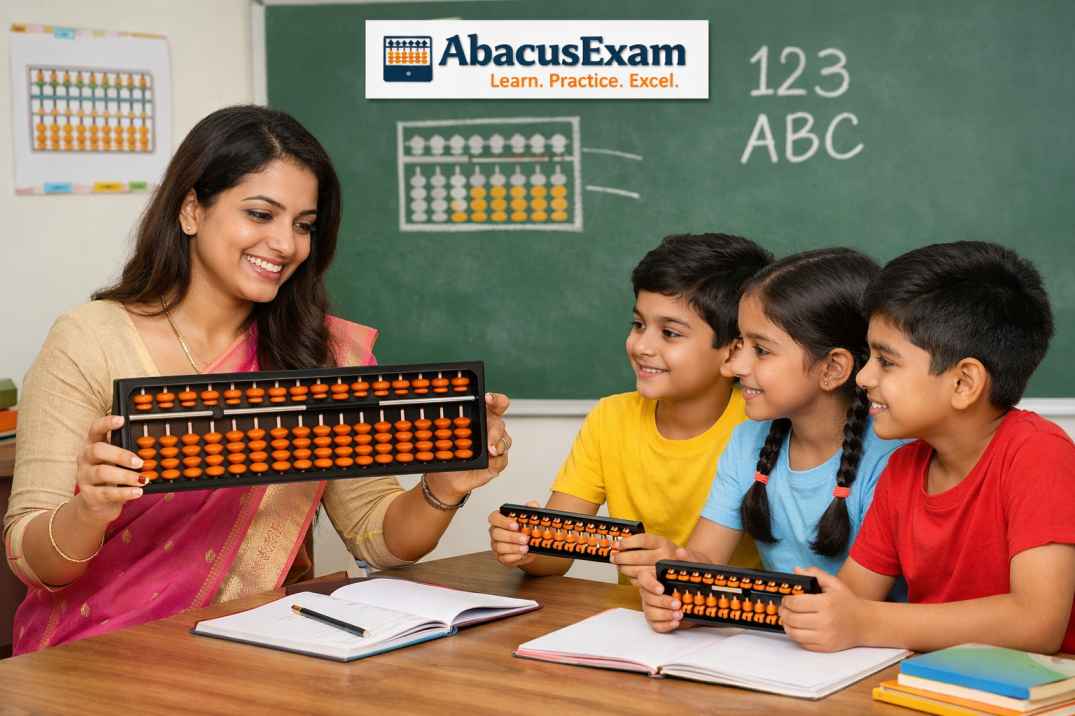
When learning feels like play, young minds thrive
Are you looking for engaging, age-appropriate math activities for your kindergarten child?
Many parents and educators worry about pushing academics too early — or missing key foundational moments [[1]].
In this guide, I’ll share playful abacus activities designed specifically for kindergarten-aged children — building early math skills through joy, not pressure.
🔍 Abacus Activities for Kindergarten: Learning Through Play
For kindergarten children, abacus isn’t about calculation — it’s about connection [[3]].
When a 5-year-old slides beads while telling a story (“Three frogs jump on the log…”), they’re building number sense through imagination — the most powerful teacher of all [[7]].

I’ve designed activities for thousands of young learners. One kindergarten teacher in Sydney shared: “When we use abacus for storytelling, children who usually shy away from math lean in. They don’t see ‘math’ — they see a game.” [[Human tone: real educator moment]].
Early childhood research strongly supports play-based, hands-on learning for building foundational cognitive skills — a perfect match for abacus exploration [[16]].
✨ 5 Playful Abacus Activities for Kindergarten:
- Bead Exploration Time: Let children freely move beads, notice colours, and create patterns. No correction — just curiosity [[4]].
- Counting Stories: “Two birds fly to the tree… slide two beads. Now three more join them…” Math through narrative.
- Colour & Pattern Play: “Can you make a red-blue-red pattern?” Builds early algebraic thinking through visual sequencing.
- Fine Motor Bead Races: “Move one bead at a time from left to right as fast as you can!” Strengthens hand-eye coordination.
- “How Many?” Games: Hide some beads, ask “How many are hiding?” Builds subitising and early subtraction concepts.
❓ Parents & Educators Often Ask (FAQ)
Is abacus appropriate for 4-5 year olds?
Great question — yes, when used playfully. At this age, focus on bead exploration, counting to 5 or 10, and pattern-making. Formal instruction can wait; joyful exposure builds the foundation [[2]].
How long should kindergarten abacus activities last?
Short and sweet: 5-10 minutes, 2-3 times weekly. Young children learn best through frequent, brief, positive experiences. End while they’re still engaged.
What if my child just wants to play, not “learn”?
That’s exactly the goal! Play is how young children learn. When beads become part of imaginative play, math concepts embed naturally — without resistance.
Do we need special materials for kindergarten abacus?
I get asked this a lot — a standard wooden abacus with large, colourful beads works well. Add storytelling props (toy animals, blocks) to extend play. Keep it simple and joyful.
How do these activities support school readiness?
Playful abacus activities build number sense, fine motor skills, attention, and positive attitudes toward learning — all key predictors of kindergarten success [[37]].
🎯 Early math confidence begins with joyful moments.
If you’d like age-appropriate, playful abacus activity ideas for your kindergarten child — whether you’re in Denver, Bristol, Calgary, Wellington, Perth, or Delhi — book a free, no-pressure demo. We’ll share practical, developmentally sound strategies you can use today.
💬 WhatsApp for a Free Demo