Why Abacus Programs Are Recommended for Homeschoolers

Hello there, fellow parents and educators. If you’re navigating the world of homeschooling, you know how rewarding yet challenging it can be to shape a child’s learning journey at home. I’m Ashwani Sharma, Director of Mission Abacus Private Limited in Jaipur, India, and I’ve spent years guiding families through math education. Today, I want to share some thoughts on why abacus programs are recommended for homeschoolers. These programs aren’t just about beads and counting—they’re a gateway to building strong mental math skills in a fun, interactive way.
In my experience, homeschooling parents often seek tools that fit seamlessly into daily routines without overwhelming schedules. Abacus training does exactly that, offering a hands-on approach that boosts concentration and confidence. Whether you’re in the USA, UK, Canada, Australia, New Zealand, India, UAE, Norway, or Czechia, the rise of online learning has made these programs accessible worldwide. With hybrid education blending home and virtual classes, abacus helps bridge math confidence gaps that many kids face, especially in a screen-heavy world. Let’s dive deeper into how it can support your homeschool setup.
Table of Contents
- Building Strong Foundations in Mental Math
- How Abacus Fits into Homeschool Routines
- Benefits for Students in Abacus Programs
- Advantages for Parents and Teachers
- Addressing Potential Limitations
- Global Perspectives on Abacus Learning
- FAQs
- Conclusion

Building Strong Foundations in Mental Math
Abacus programs lay the groundwork for kids to grasp numbers intuitively. It’s not about rote learning; it’s about visualizing math in a tangible form. Homeschoolers often thrive with this method because it turns abstract concepts into something they can touch and manipulate.
Over the years, I’ve noticed that children who start with abacus develop a deeper understanding of arithmetic. They learn to add, subtract, multiply, and divide mentally, which spills over into school subjects. This is especially helpful in homeschool environments where parents might not have formal teaching backgrounds.
Why Mental Math Matters for Young Learners
Mental math isn’t just a party trick—it’s a life skill. In homeschooling, where kids might miss out on group dynamics, abacus encourages independent thinking. Parents often tell me how their children surprise them with quick calculations during everyday tasks like shopping or cooking.
Integrating Abacus with Daily Lessons
Think about weaving abacus into your curriculum. Start with short sessions, maybe 15 minutes a day. It complements subjects like science or history, where measurements and timelines come into play. And for those wondering about assessments, resources like tips on abacus exam duration and time management can guide you through structured evaluations.
How Abacus Fits into Homeschool Routines
Abacus programs are flexible, making them ideal for the varied paces of homeschooling. No rigid class times—just pick up the tool when it suits your family’s rhythm. This adaptability is key in a world where hybrid education is on the rise.
In my experience working with students from different countries, abacus reduces screen fatigue. Unlike apps that keep kids glued to devices, it’s a physical activity that engages hands and minds. Families in places like the UAE or Norway appreciate this balance, especially with long winters or busy expat lives.
Customizing Abacus Training for Homeschoolers
Tailor the program to your child’s level. Beginners might focus on basic bead movements, while advanced learners tackle complex problems. Parental involvement in abacus is crucial here—sit with them, guide gently, and watch their confidence grow.
Overcoming Common Challenges in Home Setup
What if space is limited? Abacus doesn’t need much—just a quiet corner. For international learners, cross-border tutoring via online platforms makes expert guidance accessible. It’s about supporting children in mental math without adding stress.
Have you ever paused mid-lesson and wondered if your child is truly grasping the concepts? That’s a common reflection for homeschool parents. Abacus can provide those “aha” moments, turning doubts into delight.
Benefits for Students in Abacus Programs
Students gain so much from abacus. First off, it sharpens focus. In a distracting world, the rhythmic bead sliding helps kids zone in on tasks. Homeschoolers, in particular, benefit from this self-discipline.
Accuracy improves too. Mistakes become learning opportunities, not frustrations. Over time, they handle numbers with ease, which boosts overall academic performance. Students who practice regularly, appear for level exams, and participate in competitions show faster improvement in speed, accuracy, and confidence.
Boosting Confidence Through Achievements
Nothing beats the smile when a child solves a tough problem mentally. Abacus builds that inner strength, helping with math anxiety that’s common globally. From Canada to Czechia, kids face similar pressures, and this tool eases them.
Long-Term Skills for Future Success
Beyond math, abacus enhances logical thinking. It’s like training the brain for puzzles in life. For homeschoolers, this means better preparation for standardized tests or real-world applications.
Advantages for Parents and Teachers
Parents, you’re the backbone of homeschooling. Abacus empowers you with simple tools to teach effectively. No need for advanced degrees—just enthusiasm and basic guidance.
Family support in abacus learning strengthens bonds. Shared sessions turn into quality time, fostering communication. Teachers in hybrid setups find it easy to integrate, especially with resources questioning how abacus enhances school math performance.
Simplifying Parent Guidance in Abacus Training
Start small: Observe, encourage, correct gently. In my work, I’ve seen parents transform from hesitant to confident mentors. It’s rewarding to witness that shift.
Resources for Educators Worldwide
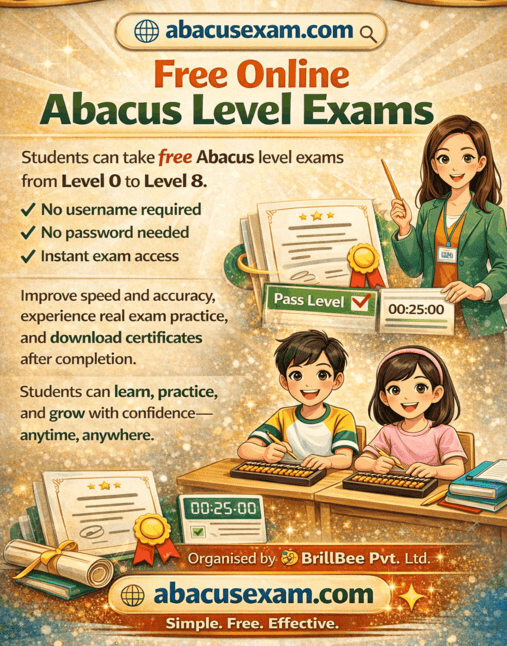
Look into all-in-one systems like those at abacusshiksha.com, abacusexam.com, and abacuswala.com. They offer comprehensive support for global users, from lesson plans to international exam structures.
Addressing Potential Limitations
Abacus isn’t a magic fix for every math woe. When abacus may not be enough, consider if your child has deeper learning needs, like dyslexia. It’s great for basics but might require supplements for advanced algebra.
Limitations parents should understand include consistency. Without regular practice, gains fade. Also, in very young kids under five, attention spans might limit effectiveness. Balance it with other activities.
When to Seek Additional Support
If progress stalls, blend abacus with tutoring. In global contexts, online communities help troubleshoot. Remember, it’s one tool in your kit—not the only one.
Realistic Expectations for Homeschool Families
Set achievable goals. Not every child becomes a math whiz overnight. Patience is key, as I’ve learned from countless families.

Global Perspectives on Abacus Learning
Online learning growth has democratized abacus access. Families in Australia or India connect via virtual classes, sharing experiences across borders.
Math confidence gaps persist worldwide, fueled by screen-heavy education. Abacus counters this with tactile engagement, appealing to diverse cultures.
Adapting to Hybrid Education Models
In places like the UK or USA, hybrid setups mix home and school. Abacus bridges them, offering portable skills. International exam structures ensure consistency.
Cross-Border Tutoring Opportunities
Tutors from Norway to New Zealand collaborate online. This enriches learning, exposing kids to varied teaching styles.
For more on related perks, check out discussions on abacus benefits for students.
FAQs
Can abacus programs really improve homeschool math skills?
Absolutely. They build mental agility and visualization, making abstract math concrete. In just a few months of consistent practice, kids often handle calculations faster than before. It’s especially useful for homeschoolers seeking independent learning tools.
Is it worth investing time in abacus for beginners?
Yes, if you’re starting from scratch. Beginners gain foundational skills that last a lifetime. Parents find it rewarding as it doesn’t require fancy equipment—just commitment and a basic abacus.
How long does it take to see results in abacus training?
Typically, noticeable improvements come in 3-6 months with regular sessions. Speed and accuracy build gradually. Competitions and exams motivate quicker progress.
Are abacus programs suitable for international homeschoolers?
Definitely. With online resources, they’re adaptable to any curriculum. Families worldwide use them to address math gaps, regardless of location.
What if my child gets bored with abacus?
Mix it up with games or real-life applications. Parental involvement keeps it engaging. If needed, pause and revisit later—flexibility is a strength.
How does abacus compare to digital math apps?
Abacus offers hands-on interaction, reducing screen time. Apps are convenient, but abacus builds deeper focus. Many families combine both for best results.
Conclusion
Wrapping up, abacus programs offer a gentle, effective way to nurture math skills in homeschool settings. They’ve touched many lives, fostering joy in learning. As Ashwani Sharma, I encourage you to explore what works for your family. Keep it simple, stay consistent, and watch the growth unfold. 😊✨