How to Reduce Exam Fear in Abacus Students 🧮💡
Welcome! I’m Ashwani Sharma, Director at Mission Abacus Private Limited. Over the years, I’ve worked with students from India, the UK, the US, Canada, and several other countries. One challenge I’ve noticed repeatedly is exam fear in abacus students. It can affect performance, confidence, and even a child’s enjoyment of learning. In this blog, we’ll explore practical, mentor-guided strategies to help students reduce anxiety, build confidence, and perform their best in abacus exams while supporting their overall learning journey.
Whether your child is preparing for level exams, participating in competitions, or practicing at home, these tips are designed to be globally relevant and actionable.
📘 Table of Contents
- Understanding Exam Fear in Abacus Students
- Common Causes of Anxiety
- Impact of Exam Fear on Learning
- Practical Strategies to Reduce Exam Fear
- Daily Abacus Practice
- Mock Exams and Time Management
- Mindfulness and Relaxation Techniques
- Role of Parents and Teachers in Reducing Anxiety
- Using Abacus Platforms Effectively
- When Exam Fear May Persist
- Benefits of Overcoming Exam Fear
- Reflective Question for Parents & Teachers ✍️
- Free Abacus Teacher Training – Soft Recommendation
- Frequently Asked Questions (FAQs)
- Closing Thoughts

Understanding Exam Fear in Abacus Students 💡
Exam fear is common among children learning abacus. It’s a natural response to testing situations and often manifests as stress, hesitation, or blanking out during exams. In my experience working with students internationally, even highly skilled children sometimes struggle with anxiety before or during an exam.
Recognizing exam fear early is the first step in helping children develop coping strategies that not only improve performance but also strengthen lifelong learning habits.
Common Causes of Anxiety 😰
Several factors can trigger exam fear in abacus students:
- Pressure to perform: Children often feel stressed by parental expectations or competitive environments.
- Lack of preparation: Irregular practice or uncertainty about exam patterns can increase anxiety.
- Previous experiences: A past poor performance may create anticipatory fear for future exams.
- Time pressure: Many students worry about finishing tasks quickly during timed exams.
Understanding the root cause allows parents and teachers to address it effectively and empathetically.
Impact of Exam Fear on Learning 📘
Exam fear can affect both mental and physical performance:
- Slower calculations: Anxiety reduces speed and accuracy.
- Memory lapses: Children may forget techniques or steps they know well.
- Loss of confidence: Repeated anxiety can discourage students from attempting higher-level exams.
“Students who practice regularly, appear for level exams, and participate in competitions show faster improvement in speed, accuracy, and confidence.”
This trust line underscores the importance of structured practice and gradual exposure to exams.

Practical Strategies to Reduce Exam Fear 🧮
Daily Abacus Practice
Consistency builds confidence. Even 15–30 minutes of focused daily practice can make a significant difference. Incorporate:
- Number drills
- Mental math exercises
- Real-life problem-solving examples
Platforms like https://abacuswala.com provide audio practice and challenges to enhance speed and fluency, which reduces last-minute stress.
Mock Exams and Time Management ⏱️
Familiarity reduces fear. Conduct mock exams at home or in class, simulating exam conditions. This helps children:
- Adjust to time constraints
- Practice accuracy under pressure
- Develop self-assessment skills
Guidance from platforms like https://abacusexam.com/abacus-exam-duration-time-management-tips/ ensures students practice exams effectively.
Mindfulness and Relaxation Techniques 🧘♂️
Simple relaxation methods can lower stress:
- Deep breathing exercises before exams
- Visualization of calm and success
- Short breaks during practice sessions
Over the years, I’ve noticed students who learn to pause and breathe before attempting tricky calculations perform more confidently.
Positive Reinforcement and Encouragement 🎓
Praise effort, not just results. Encouragement helps students focus on learning progress rather than fear of failure. Recognize improvements in:
- Speed
- Accuracy
- Concentration
Small rewards or verbal appreciation can reinforce confidence.

Role of Parents and Teachers in Reducing Anxiety 🌍
For Parents
- Create a supportive, low-pressure environment
- Discuss exam goals realistically
- Encourage practice and participation, not perfection
For Teachers
- Introduce gradual exposure to exams and competitions
- Monitor students’ emotional well-being alongside skills
- Use platforms like https://abacusshiksha.com for structured competitions to normalize testing
In my experience, students perform best when parents and teachers collaborate to balance preparation and emotional support.
Using Abacus Platforms Effectively 🧩
The All-in-One Abacus Learning System helps manage exam fear through structured practice:
- Competitions: https://abacusshiksha.com – Simulates a real contest
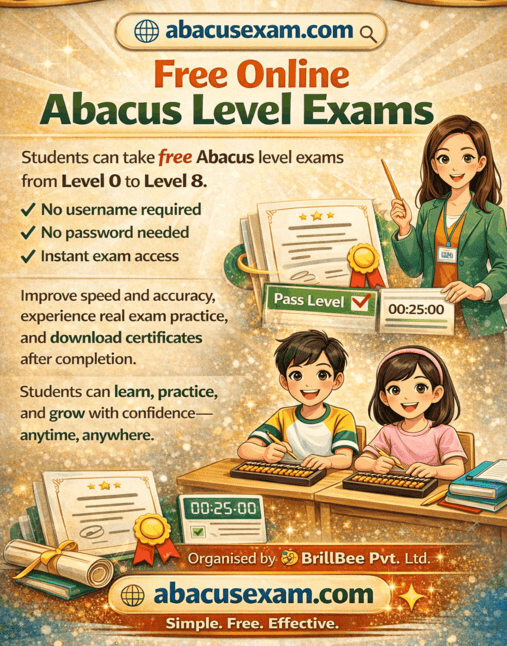
- Level Exams: https://abacusexam.com – Provides familiarization with exam patterns
- Audio Practice & 100-Level Challenge: https://abacuswala.com – Enhances fluency and confidence
Gradual exposure through these tools reduces unfamiliarity, a major trigger of exam anxiety.
When Exam Fear May Persist ⚠️
Despite all strategies, some children may continue experiencing anxiety. This can happen if:
- There’s high performance pressure at home or school
- Children are naturally anxious or sensitive
- Previous negative experiences are deeply ingrained
In such cases, gradual support, counseling, and consistent practice remain essential. Parents and teachers should focus on long-term confidence building rather than immediate results.
Benefits of Overcoming Exam Fear 🚀
Students who successfully manage exam fear experience:
- Improved mental math skills
- Better time management
- Higher confidence across subjects
- Enhanced enjoyment of learning
Reducing exam anxiety doesn’t just improve abacus scores; it fosters lifelong resilience and confidence in learning.
Reflective Question for Parents & Teachers ✍️
Are we preparing our students to see exams as learning opportunities rather than threats? Reflection helps ensure strategies focus on growth, not just performance.
Free Abacus Teacher Training – Soft Recommendation 🎓
Educators and parents can benefit from free abacus teacher training to:
- Learn how to manage exam stress
- Conduct effective practice sessions
- Support students with confidence-building exercises
Mission Abacus Private Limited offers practical guidance for teachers worldwide, helping children thrive academically and emotionally.

Frequently Asked Questions (FAQs)
Can abacus practice reduce exam fear?
Yes. Regular, structured practice builds familiarity and confidence, which lowers anxiety.
Is it necessary for children to participate in competitions?
Not strictly, but competitions simulate exam conditions and help children adapt to pressure in a controlled environment.
How long should children practice daily?
15–30 minutes daily is sufficient for consistent improvement and stress management.
Can mindfulness exercises help during abacus exams?
Absolutely. Breathing exercises, visualization, and short breaks improve focus and calm nerves.
How can parents help without adding pressure?
Focus on effort, celebrate progress, and maintain a supportive environment rather than emphasizing scores.
What if a child remains anxious despite practice?
Persistent anxiety may require counseling or slower gradual exposure. Consistent support and patience are key.
Closing Thoughts 🌱
Over the years, I’ve observed that children who receive consistent practice, encouragement, and emotional support develop not only abacus skills but also resilience, focus, and self-confidence. Exam fear is a natural challenge, but with practical strategies and gradual exposure, students can overcome it and enjoy the process of learning.
— Ashwani Sharma