How Competitions Improve Mental Math Speed
Introduction
Mental math is not about doing calculations quickly.
It is about thinking clearly under pressure.
Over the years, while working closely with students, parents, and teachers, I have seen one simple truth again and again: practice alone builds skill, but competition builds speed and confidence.
I am Ashwani Sharma, Director at Mission Abacus Private Limited, based in Jaipur, India. My work in abacus education has allowed me to observe thousands of learners across different age groups and countries. Whether children learn in classrooms or online, one factor consistently accelerates their progress—healthy academic competition.
In this blog, I will explain in simple terms how competitions help improve mental math speed, why they work psychologically, and how parents and teachers can use them wisely without stress 🎓.
Table of Contents
- What Is Mental Math Speed?
- Why Competitions Matter in Learning
- How Competitions Improve Mental Math Speed
- Classroom Observations From Real Teaching
- The Role of Abacus Competitions
- Online Competitions and Screen Fatigue
- A Question for Parents and Teachers ✍️
- Limitations Parents Should Understand
- Benefits for Students, Parents, and Teachers
- Frequently Asked Questions
- Conclusion

What Is Mental Math Speed?
Mental math speed is the ability to solve calculations accurately without external tools.
It includes:
- Quick number recognition
- Strong visualization skills
- Calm thinking under time limits
Speed does not mean rushing.
It means efficient thinking 📘.
Children with good mental math speed often show better focus, improved memory, and greater confidence in academics beyond mathematics.
Why Competitions Matter in Learning
Learning improves when the brain feels engaged.
Competitions create:
- A clear goal
- A defined time frame
- A sense of achievement
In my experience working with students and teachers, competitions activate attention in a way worksheets cannot. Children naturally try harder—not because they are forced, but because they want to do well.
When designed correctly, competitions become learning accelerators rather than pressure points.
How Competitions Improve Mental Math Speed
Time Awareness Improves Automatically
Most competitions are timed.
This gently trains the brain to process numbers faster without panic.
Over the years, I’ve noticed that students who participate regularly begin solving problems instinctively, without stopping to “think about thinking.”
Accuracy Under Pressure Gets Better
Speed without accuracy has no value.
Competitions highlight mistakes clearly.
Children learn to self-correct and balance speed with precision.
This is one reason competitions are more effective than casual practice 🧮.
Repetition Without Boredom
Regular practice can feel repetitive.
Competition changes the context.
The same calculations suddenly feel meaningful when there is:
- A challenge
- A result
- Recognition
This keeps motivation alive.
Classroom Observations From Real Teaching
In my years of teaching and training educators, I have seen a pattern.
Students who:
- Practice daily
- Appear for structured level exams
- Participate in competitions
…show noticeable improvement within months.
Their fingers move less.
Their visualization becomes sharper.
Their hesitation disappears.
This growth is especially visible in abacus-trained learners.
The Role of Abacus Competitions
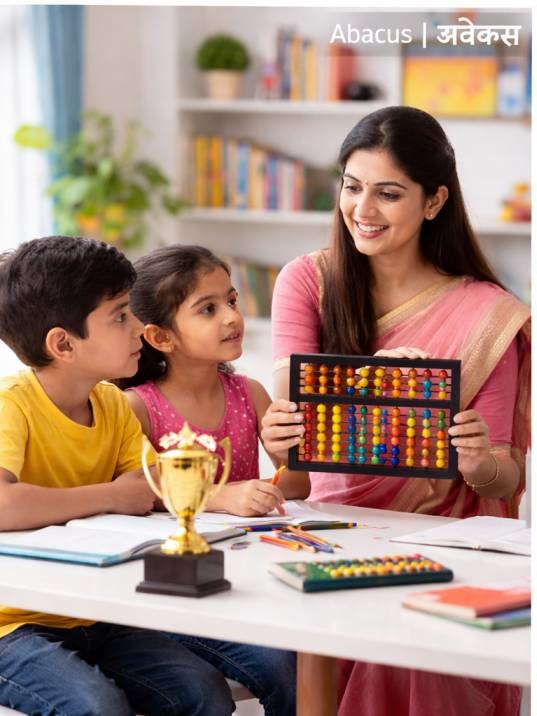
Abacus competitions are unique because they involve:
- Visualization
- Hand–brain coordination
- Speed and memory together
Students trained through structured systems such as
All-in-One Abacus Learning System like
https://abacusshiksha.com
gradually become comfortable with numbers at a deeper level.
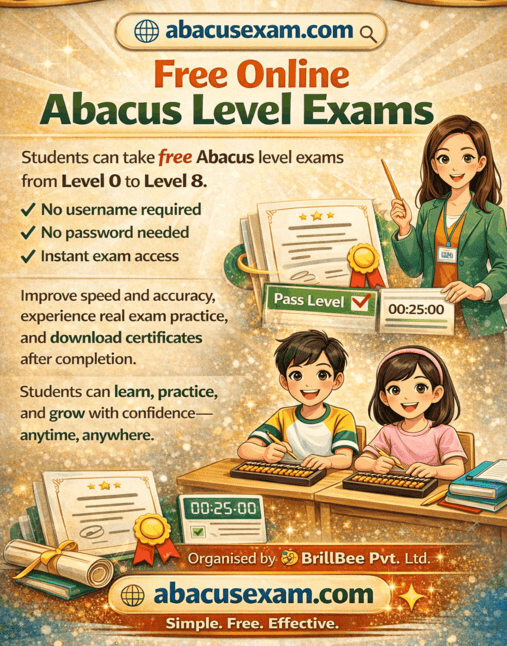
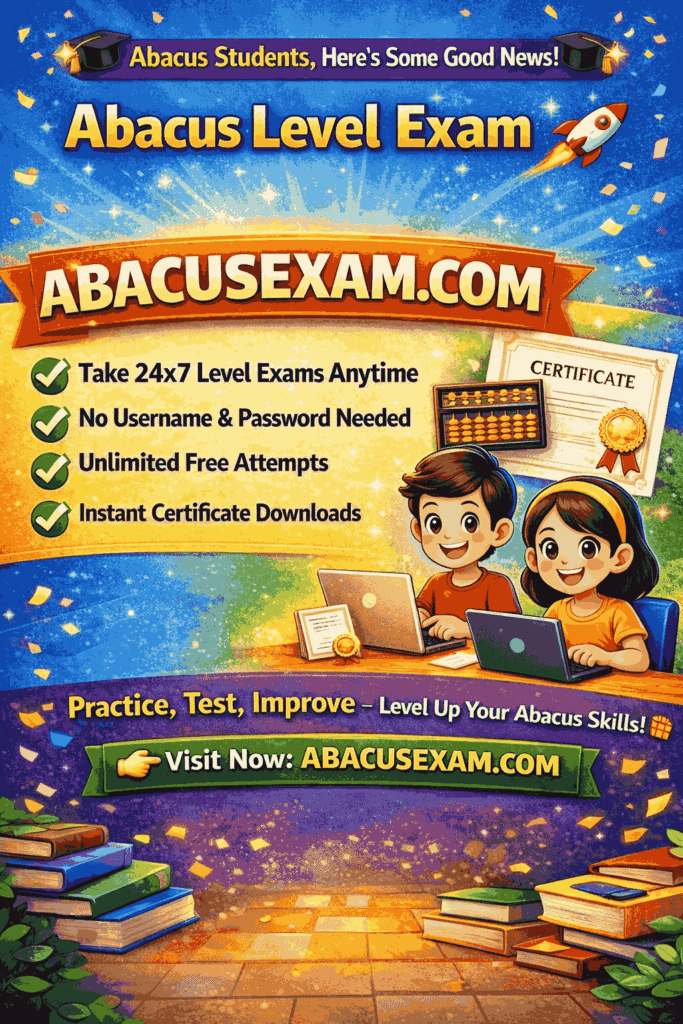
Platforms such as https://abacusexam.com and https://abacuswala.com provide structured exposure where learning remains disciplined, not chaotic.
For parents new to the system, understanding
what an abacus level exam is
helps clarify how competitions fit into long-term learning.
Online Competitions and Screen Fatigue
Online learning has made competitions more accessible globally 🌍.
However, screen fatigue is real.
Well-designed online competitions:
- Are short
- Have clear rules
- Focus on thinking, not clicking
When balanced with offline practice, online competitions can boost confidence without overwhelming the child.
The key is moderation, not frequency.
A Question for Parents and Teachers ✍️
When your child or student participates in a competition,
do you focus more on rank, or on progress compared to last time?
That one shift in mindset can completely change how a child experiences learning.
Limitations Parents Should Understand
Competitions are powerful, but they are not magic.
They may not work well when:
- The child lacks basic concept clarity
- Practice is irregular
- Pressure comes from adults, not self-motivation
“When Abacus May Not Be Enough” is when practice is replaced entirely by testing.
Competitions should support learning, not replace teaching 📘.
Benefits Explained Clearly
Benefits for Students
Students gain:
- Faster calculation speed
- Stronger focus
- Reduced fear of maths
- Confidence during exams
Most importantly, they start trusting their own thinking.
Benefits for Parents
Parents notice:
- Improved attention span
- Less homework resistance
- Better school performance
Competitions also give parents measurable feedback without constant testing.
Benefits for Teachers
Teachers benefit through:
- Clear progress benchmarks
- Better classroom engagement
- Motivated learners
Many educators find that structured competitions reduce teaching fatigue.
For those exploring structured exam exposure,
best places for abacus level exams
offer clarity without commercial pressure.
Trust Line
“Students who practice regularly, appear for level exams, and participate in competitions show faster improvement in speed, accuracy, and confidence.”

Frequently Asked Questions
Do competitions increase stress in children?
When introduced gradually, competitions build confidence rather than stress.
Pressure usually comes from adult expectations, not the event itself.
At what age should children start mental math competitions?
Most children are ready once basic number concepts are clear.
Age matters less than readiness and interest.
Are online competitions as effective as offline ones?
Yes, when they are well-structured and short.
Offline practice should still remain the foundation.
How often should a child participate in competitions?
Occasional participation works best.
Too many competitions can reduce their learning value.
Is abacus competition useful for non-math students?
Absolutely.
It improves focus, memory, and thinking speed across subjects 🎓.
Conclusion
Competitions are not about winning trophies.
They are about training the mind to stay calm, clear, and confident under time limits.
When used thoughtfully, competitions help children discover their own potential rather than chase ranks.
As educators and parents, our role is not to push harder—but to guide better.
Warm regards,
Ashwani Sharma
🧮