🧩 Can Abacus Training Help Children with Autism Spectrum Disorder (ASD)?
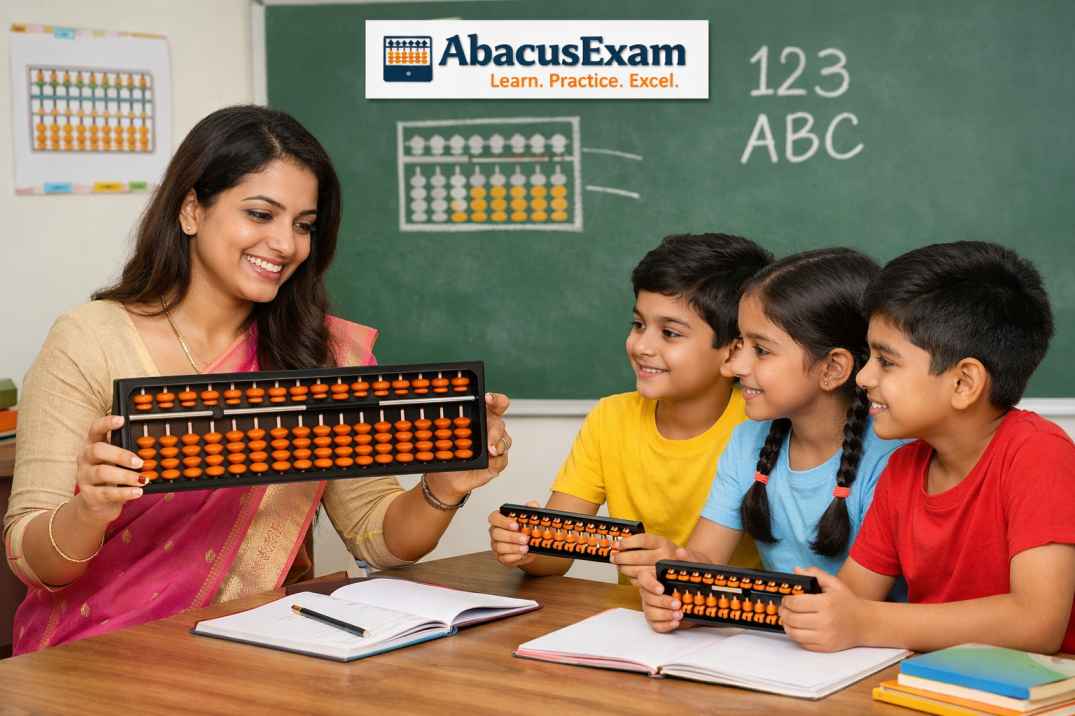
Structured, tactile learning can be very effective for children on the spectrum
🤔 If your child is on the autism spectrum, you’ve probably tried many therapies and activities. Is abacus worth adding?
Many parents of children with ASD worry about sensory overload, frustration, or lack of engagement. But the structured, predictable nature of abacus can actually be calming.
In this guide, I’ll share what I’ve learned from working with children on the spectrum – and what parents have reported.
✅ Potential Benefits for Children with ASD
Predictable structure: The abacus has fixed rules – move this bead here, get that answer. Children with autism often thrive on routine and predictability.
Tactile sensory input: Moving beads provides calming sensory feedback. Many children find the repetitive motion soothing.
Immediate feedback: Right or wrong, the child knows instantly. No ambiguity. This reduces anxiety.
Fine motor skill development: The precise finger movements (thumb and index finger) strengthen hand muscles – beneficial for writing.
Focus training: Short, structured sessions (10-15 minutes) can help build sustained attention.

⚠️ Possible Challenges and How to Adapt
Sensory overstimulation: The click of beads may bother some children. Use a silent abacus (foam or quiet beads).
Fine motor difficulties: Some children struggle with pincer grip. Start with larger beads or use hand-over-hand guidance.
Fixation: A child may become fixated on a single bead or row. Gently redirect using a timer.
Frustration with mistakes: Some children with ASD have low frustration tolerance. Use very easy sums initially and celebrate every small success.
👨👩👦 Tips for Teaching a Child with Autism
1. Start with 5-minute sessions – shorter than typical. Gradually increase.
2. Use a visual schedule – show “first abacus, then reward” (e.g., a favorite activity).
3. Eliminate distractions – quiet room, no clutter on the table.
4. Use the same abacus each time – consistency reduces anxiety.
5. Pair with a reinforcer – after completing a row, give a small sticker or praise.
💬 A Parent’s Real Experience
“My son was diagnosed with ASD at age 5. He struggled with numbers and would melt down during math time. We tried abacus on the advice of his OT. The first week was hard – he didn’t want to touch it. But we used hand-over-hand, and after two weeks, he started moving beads on his own. Six months later, he can do single-digit addition mentally. More importantly, he sits for 15 minutes calmly. That’s a miracle for us.”
– Parent from California (shared with permission)Stories like this are common. But I must emphasize – results vary widely. Abacus is not a therapy, and it’s not for every child with ASD.
💪 Thinking of trying abacus with your child on the spectrum? Start with a free, low-pressure demo.
🎯 Book a free consultation →❓ Frequently Asked Questions
Is abacus a recognized therapy for autism?
No, it’s not a formal therapy. It’s an educational tool that some therapists recommend as a supplement.
What if my child has sensory issues with the bead sound?
Use a silent abacus (plastic beads with rubber coating) or place a soft cloth under the frame to dampen sound.
Can a nonverbal child learn abacus?
Yes, the child doesn’t need to speak. They can point or move beads. Many nonverbal children enjoy the tactile aspect.
Should I tell the abacus teacher about my child’s diagnosis?
Yes. A good teacher will adapt their approach – slower pace, more breaks, visual supports.
My child is very rigid and resists new activities. How do I introduce abacus?
Leave the abacus on the table for a few days without pressure. Let them explore it. Then offer a very short “let’s move one bead” invitation.
💛 Every child learns differently. Abacus might be the key your child needs.
I’ve worked with many families on this journey. Let me help you decide – with a free, no-obligation conversation.
📲 Talk to us about your child’s needs →