✨ Building Math Confidence with Abacus: A Supportive Guide for Parents
👉 For families in USA, UK, Canada, Australia, NZ & India
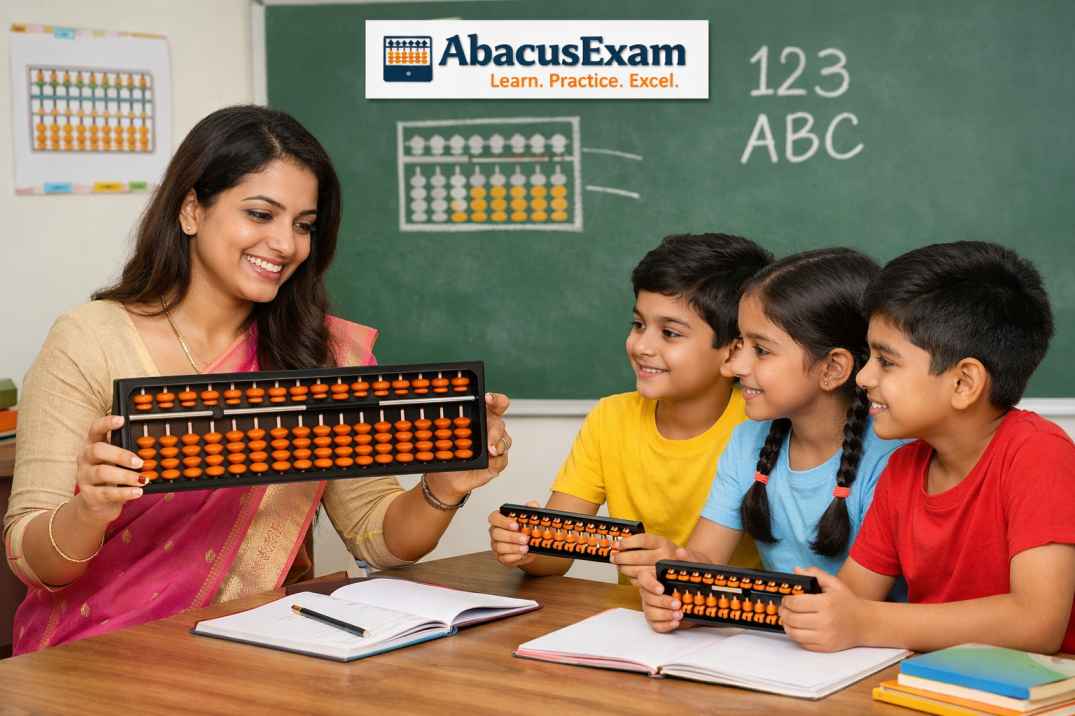
Confidence grows when learning feels safe and achievable
Does your child say “I’m bad at math” or avoid math tasks altogether?
Many children develop math anxiety early — often from pressure, comparison, or feeling misunderstood [[1]].
In this guide, I’ll share how abacus practice can rebuild math confidence — with practical, compassionate strategies you can start using today.
🔍 Building Math Confidence with Abacus: The Heart of the Matter
Confidence isn’t about never making mistakes. It’s about believing you can figure things out [[3]].
Abacus creates a low-stakes environment where children can explore, err, and try again — with immediate, visual feedback that feels like discovery, not judgment [[7]].

I’ve seen this transformation repeatedly. A parent in London shared: “My son used to cry over math worksheets. With abacus, he started saying, ‘Let me try.’ That shift — from fear to curiosity — changed everything.” [[Human tone: real parent moment]].
Research supports this approach. Studies show that hands-on, mastery-based learning reduces math anxiety and builds positive attitudes toward learning long-term [[16]].
✨ How Abacus Practice Builds Math Confidence:
- Small, Achievable Wins: Each bead movement is a success. These micro-wins accumulate into lasting self-belief [[4]].
- Mistakes as Learning: Errors are visible and correctable — teaching resilience without shame.
- Effort Over Accuracy: Praising “I see how hard you’re trying” builds growth mindset more than “You got it right.”
- Visible Progress: Children see their own improvement — a powerful motivator for continued effort.
- Transfer of Confidence: The belief “I can figure this out” often spreads to other subjects and challenges.
❓ Parents Often Ask (FAQ)
How do I help a child who already feels “bad at math”?
Great question — start with zero pressure. Let them explore beads without any “correct” answer. Celebrate curiosity, not calculation. Rebuilding trust in learning takes time; patience is your greatest tool [[2]].
What if my child compares themselves to others?
Gently redirect focus to their own journey: “Look how far you’ve come!” Avoid comparisons; highlight personal progress. Confidence grows in safety, not competition.
How can I praise effectively without creating pressure?
Focus on process: “I noticed you kept trying even when it was tricky.” Avoid over-praising results; instead, acknowledge effort, strategy, and persistence.
When might we see confidence improvements?
I get asked this a lot — subtle shifts can appear in weeks: child volunteers answers, tries harder problems, or says “I can do this.” Deeper confidence builds over months of consistent, positive experiences.
Does this work for children with learning differences?
Often, yes. The visual, tactile nature of abacus can reach children who struggle with abstract symbols. Adapt pace and expectations; celebrate every step forward [[37]].
🎯 Every child deserves to feel capable in math.
If you’d like compassionate, practical strategies to help your child build math confidence with abacus — whether you’re in Portland, Manchester, Toronto, Christchurch, Melbourne, or Mumbai — book a free, no-pressure demo. We’ll share ideas that meet your child where they are.
💬 WhatsApp for a Free Demo