😰 Does Abacus Training Help with Math Anxiety in Children?
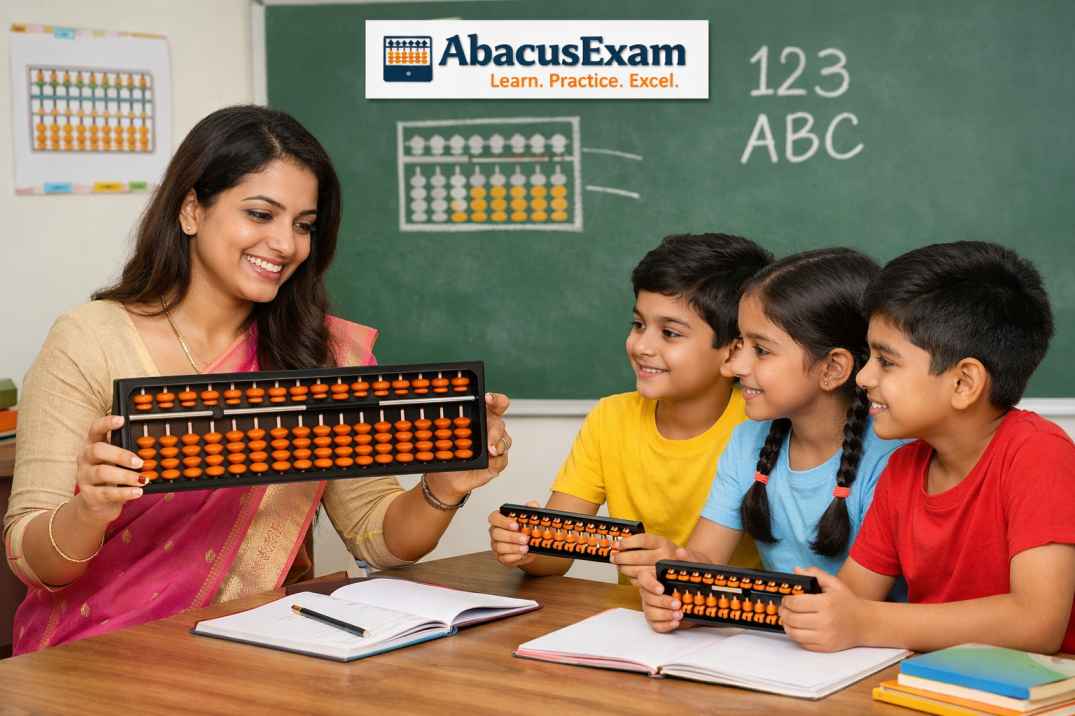
From tears to cheers – abacus builds math confidence
🤔 Does your child cry, complain, or make excuses when it’s time for math homework? Do they freeze during tests?
Math anxiety is real – and it’s not about intelligence. It’s about fear. And fear shuts down the learning brain.
In this guide, I’ll explain how abacus training breaks the cycle of math anxiety and replaces fear with confidence.
🧠 Why Math Anxiety Happens – And How Abacus Interrupts the Cycle
Math anxiety starts with a negative experience – a bad grade, a teacher’s harsh comment, or just feeling “slow” compared to peers. The child anticipates failure. That anticipation triggers stress hormones, which shut down the working memory needed to solve problems. The child fails, confirming their fear. The cycle repeats.
Abacus interrupts this cycle by providing a different entry point. The child doesn’t start with abstract numbers – they start with physical beads. They experience success immediately. “I moved the bead and got the answer right.” That success rewires the brain’s expectation.

⚡ Automaticity: The Secret Weapon Against Fear
Automaticity means recalling an answer without conscious effort – like riding a bike. When a child has automaticity for basic math facts, they don’t freeze. The answer appears effortlessly.
Abacus builds automaticity through daily repetition and visualization. After months of practice, the child “sees” the beads in their mind and instantly knows the answer. No counting on fingers, no hesitation, no fear.
One parent told me: “My daughter used to cry before every math test. After 6 months of abacus, she walks in calm. She says, ‘I know I can do it.’ That’s priceless.”
💪 How Small Wins Build Big Confidence
Abacus is structured in small, achievable steps. Level 1 is very easy – just moving beads. The child succeeds. Level 2 adds a small challenge. Success again. This gradual progression builds a sense of mastery.
Unlike school math, where a child can fall behind and never catch up, abacus allows the child to progress at their own pace. Every small win reinforces “I can do this.”
Over time, that confidence spills over to school math. Parents report that their children start raising their hands in class, helping peers, and even enjoying math.
“My son had such bad math anxiety that he would vomit before tests. We tried everything. Abacus was our last resort. After 8 months, he still gets nervous, but he no longer panics. He says, ‘I know I can do the calculations.’ That’s a miracle for us.”
– Parent, UK👨👩👧 Tips for Parents to Reduce Math Anxiety at Home
1. Never say “I was bad at math too.” This normalizes the fear. Instead, say “Math can be tricky, but you can learn it.”
2. Celebrate effort, not just correct answers. “I saw how hard you tried” is powerful.
3. Use abacus practice as a calm, low-pressure time. No timers initially. Just exploration.
4. Avoid comparing your child to siblings or friends. Every child’s journey is different.
5. If your child is anxious, shorten practice to 5 minutes. End on a success.
💪 Ready to replace math anxiety with math confidence? Try a free demo.
🎯 Book a free demo →❓ Frequently Asked Questions
How long until I see a reduction in math anxiety?
Some parents notice a change in attitude within 4-8 weeks. Significant reduction in test anxiety may take 6-12 months.
Can abacus replace therapy for severe math anxiety?
No. If your child has severe anxiety (panic attacks, refusal to go to school), consult a child psychologist. Abacus is a helpful supplement.
My child is anxious about non-math subjects too. Will abacus help?
Indirectly, yes. The confidence and focus skills transfer. But address the root cause with a professional.
Should we avoid timed drills for an anxious child?
Yes, initially. Start with untimed practice. After a few weeks, introduce very easy timed drills with no pressure to “finish.”
What if my child still feels anxious after abacus?
It’s normal to have some anxiety. Abacus is one tool. Combine with positive reinforcement, good sleep, and healthy study habits.
💛 Math anxiety isn’t a life sentence. With the right tools, every child can learn to love numbers.
I’ve seen thousands of children transform from math-haters to math-confident. Let me help your child take the first step.
📲 Start building math confidence today →